How to Oil Your Hair Properly:
How Long, How Often & Overnight?
Hair oiling is one of the oldest Indian hair rituals — and one of the most misunderstood. Here is how much oil to use, how long to leave it in, whether overnight oiling helps or hurts, how often to oil for your hair type, and how to wash it out without stripping your hair.
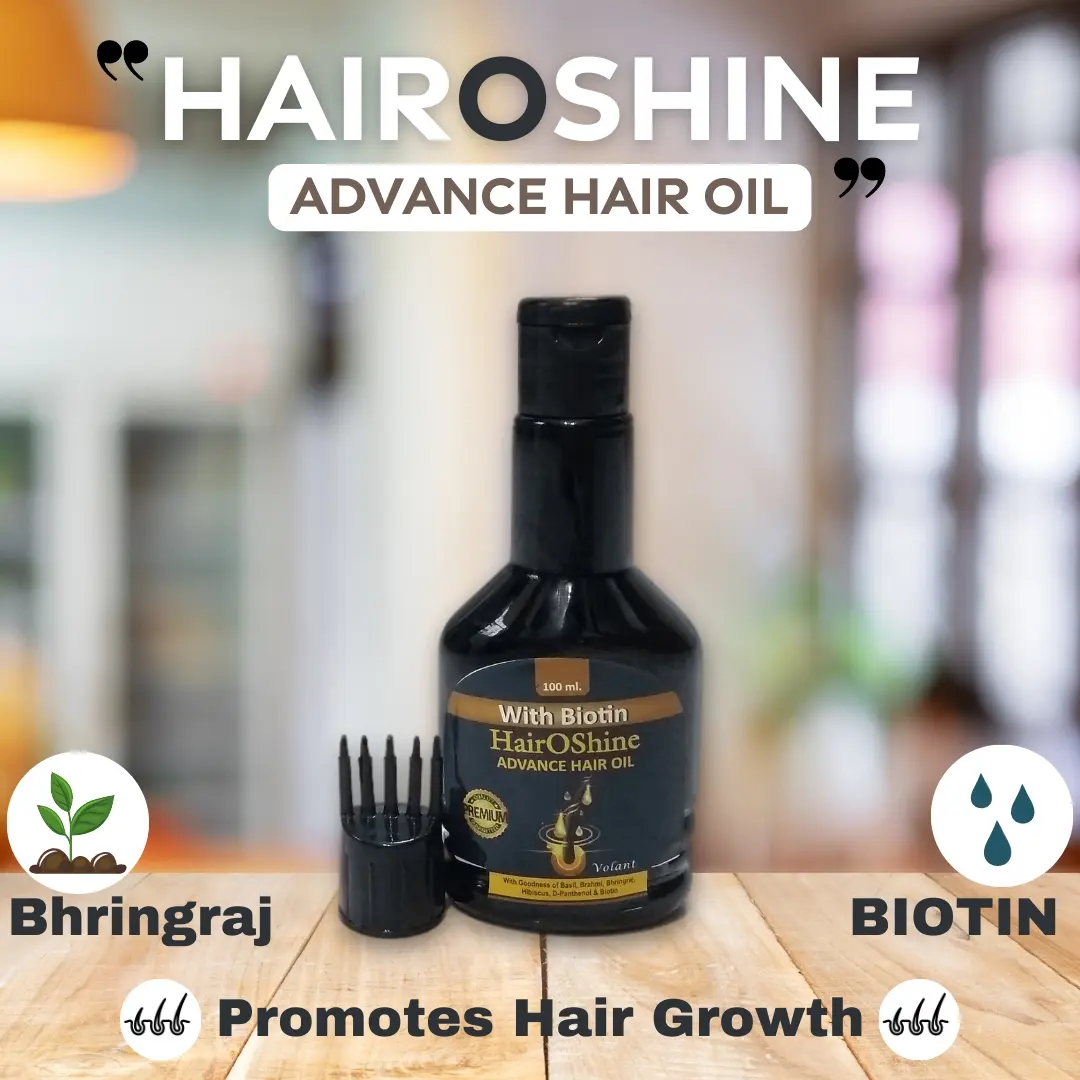
Biotin · Non-Greasy Base
Apply a small amount of oil to the scalp and lengths, massage gently with your fingertips, and leave it in for 30 minutes to a few hours before washing. Overnight oiling is fine for dry hair if your scalp tolerates it, but skip it if your scalp is oily or flaky. Most people do well oiling once or twice a week. Wash it out by applying shampoo to the oiled hair before adding much water, then rinse and repeat lightly if needed.
What Hair Oiling Actually Does
Hair oiling is not magic, but it is genuinely useful when done well. These are the realistic benefits:
Protection before washing
Research, mostly on coconut oil, suggests that oiling hair before shampooing can reduce the protein loss and swelling that happen when hair gets wet and is washed. That is one reason pre-wash oiling is such a long-standing Indian habit.
Softer, smoother, less frizzy lengths
Oil coats the hair surface, which helps hair feel softer and look smoother, and makes dry or frizzy lengths easier to manage.
Less friction and tangling
Lubricated strands slide past each other more easily, so there is less pulling when you detangle — and less breakage from combing.
A relaxing scalp massage
A gentle massage is a pleasant routine in itself. It also helps you spread the oil evenly and notice the condition of your scalp.
What oiling does not do: it does not cure hair loss caused by genetics, hormones, thyroid problems, iron deficiency or illness. For those, a doctor or dermatologist is the right first step.
How to Oil Your Hair: Step by Step
Start with dry, detangled hair. Comb gently first so you do not pull knots later.
Warm the oil slightly (optional). Only lukewarm — always test on your wrist first.
Part your hair into sections and apply small drops of oil directly along each parting on the scalp.
Massage with fingertips, not nails, in small circles for 3–5 minutes. Gentle pressure is enough.
Run what is left on your palms through the lengths, focusing on dry ends.
Tie hair loosely — a loose braid or bun, never tight — and leave it for the time that suits your hair type.
How much oil? For shoulder-length hair, about one to two teaspoons is usually plenty. Long or very thick hair may need a little more. If you need two or three shampoos to remove it, you used too much.
How Long Should You Keep Oil in Your Hair?
There is no single right number, and leaving oil in longer does not mean proportionally better results. Use your scalp type as the guide:
| Your scalp / hair | How long | Note |
|---|---|---|
| Oily scalp or dandruff-prone | 30 minutes to 1 hour, then wash | Avoid overnight oiling on the scalp |
| Normal scalp, normal hair | 1–2 hours, or a few hours before washing | Overnight is fine if your scalp tolerates it |
| Dry scalp, dry or frizzy hair | A few hours to overnight | Focus extra oil on the lengths and ends |
| Fine, thin hair | 30 minutes to 1 hour | Use only a little oil so hair does not go flat |
Is Oiling Hair Overnight Good or Bad?
Overnight oiling is a family tradition in many Indian homes, and for dry, frizzy or coarse hair it can be a comfortable, convenient habit. But it is not automatically better than a few hours, and it does not suit everyone.
Overnight works well if
- Your hair is dry, coarse or frizzy
- Your scalp is not oily and does not flake or itch
- You use a modest amount and wash it out the next morning
Skip overnight oiling if
- Your scalp is oily, or you get dandruff, itching or scalp pimples
- Your hair is very fine and goes flat easily
- You tend to tie your hair tightly at night
- You cannot wash it out the next day
If you do oil overnight, use an old pillowcase or wrap a soft cotton towel around your hair to protect your bedding.
HairOShine Advance Hair Oil — 100 ml, pack of 2, non-greasy base.
How Often Should You Oil Your Hair?
Oily scalp
Once a week, focused on the lengths more than the scalp.
Normal hair
One to two times a week, before your hair wash day.
Dry or frizzy hair
Two to three times a week, with a few drops on the ends in between if needed.
Winter
Cold, dry air and hot showers dry out hair, so you may want to oil a little more often.
How to Wash Oil Out of Your Hair
Most people struggle with this step because they add water first. Oil and water do not mix, so wet, oily hair just pushes shampoo around. Try this instead:
- Shampoo first, water second
Apply shampoo directly onto the oiled scalp and work it in before adding much water.
- Add a little water and lather
Massage gently with fingertips, then rinse well with lukewarm water.
- Second, lighter wash if needed
A small amount of shampoo usually removes the rest. Avoid very hot water.
- Conditioner on the lengths
Use conditioner on the mid-lengths and ends, not the scalp.
Choosing an Oil for Regular Use
A heavy, sticky oil is hard to wash out and easy to overuse. For a weekly routine, a lighter, scalp-friendly oil is easier to live with. HairOShine Advance Hair Oil is a scalp-first oil that combines biotin and D-panthenol with traditional botanicals in a non-greasy base, light enough for everyday use on fine or thick hair.
- Biotin with D-panthenol
- Basil, brahmi, bhringraj and hibiscus — familiar botanicals in Indian hair care
- Non-greasy base — easier to wash out
- For all hair types, including dry and frizzy hair
Its directions match the method above: apply small drops directly onto the scalp and massage gently to distribute. Still deciding which oil suits you? Read our guide on how to choose a hair oil for your hair type, or our guide to the best hair oil for dry and frizzy hair.
Hair Oiling Mistakes to Avoid
- Using far too much oil — then needing two or three harsh shampoos to remove it
- Rubbing the scalp hard with fingernails instead of gentle fingertip massage
- Tying oiled hair into a very tight braid or bun overnight, which pulls on the roots
- Heating oil until it is hot — warm is enough; test it on your wrist first
- Oiling an itchy, flaky scalp every day, which can make dandruff worse for some people
- Leaving oil in for days without washing, which attracts dust and builds up
- Expecting oil to cure hair fall caused by hormones, illness or nutritional deficiency
Myth vs Fact
Myth: The longer the oil stays in, the better it works.
Fact: A few hours is enough for most hair. Leaving oil in for days mainly attracts dust and builds up on the scalp.
Myth: More oil means more nourishment.
Fact: Excess oil just needs extra shampooing to remove, which can dry your hair out again.
Myth: Oiling cures every kind of hair fall.
Fact: Oiling helps with dryness and breakage. Hair loss from genetics, hormones, thyroid issues or deficiencies needs medical advice.
Safety and When to See a Doctor
Use oil safely
- Patch test a new oil behind the ear or on the inner forearm for 24 hours.
- Never apply hot oil — lukewarm at most.
- Do not apply on broken skin, cuts or an infected scalp.
- Keep oil away from the eyes.
- Stop use if you notice itching, redness, a rash or scalp pimples.
See a doctor or dermatologist if
- You notice sudden heavy shedding, or round bald patches
- Your hair is thinning steadily over months
- Your scalp is red, painful, scaly or has persistent dandruff
- Hair loss comes with tiredness, weight change or irregular periods
Frequently Asked Questions
How long should I keep oil in my hair?
For most people, 30 minutes to a few hours before washing is enough. Dry, frizzy hair can benefit from longer, including overnight. If your scalp is oily or prone to dandruff, keep it shorter and wash the same day.
Is it good to oil hair overnight?
It can be, if your scalp tolerates it — many people with dry hair like overnight oiling. It is not necessary for everyone, and it is not a good idea if you have an oily or flaky scalp. Use an old pillowcase or a towel to protect your bedding.
How often should I oil my hair?
Once or twice a week suits most people, before a hair wash. Very dry hair can be oiled two to three times a week; oily scalps do better with once a week.
Should I oil my hair before or after washing?
Traditional oiling is done before washing, as a pre-wash treatment. A few drops on the ends of clean, towel-dried hair can also help control frizz.
Can I oil my hair every day?
Daily oiling of the scalp is usually unnecessary and can lead to build-up, especially on oily or dandruff-prone scalps. A small amount on dry ends daily is fine.
Does oiling stop hair fall?
Oiling helps reduce breakage from dryness, tangling and rough handling, which can mean fewer broken hairs on your comb. It does not treat hair loss caused by genetics, hormones, thyroid problems, iron deficiency or illness. For sudden or patchy hair loss, see a doctor or dermatologist.
Is oiling good if I have dandruff?
Be careful. Oil on the scalp can make dandruff worse for some people. If you have dandruff, use an anti-dandruff shampoo as advised, and oil mainly the lengths of your hair rather than the scalp.
How do I wash oil out of my hair properly?
Apply shampoo to the oiled scalp before adding much water, work it in, then rinse. A second, lighter shampoo usually removes the rest. Using a modest amount of oil to begin with makes washing much easier.
How do I use HairOShine Advance Hair Oil?
Apply it in small drops directly onto the scalp and massage gently to distribute it. Its non-greasy base makes it suitable for regular use on fine or thick hair. Always follow the directions on the pack.
Oil Less, Massage Gently, Wash Well
A small amount of oil, a gentle fingertip massage, the right time for your scalp, and a proper wash — that is good hair oiling. Explore HairOShine Advance Hair Oil on our product page for full details.
100 ml · Pack of 2 · Sold on Amazon India
This article is for general information and is not medical advice. For hair loss, scalp conditions or persistent dandruff, consult a doctor or dermatologist. Always follow the directions on the pack.