Calamine Lotion Uses
for Skin in India
The Complete 2026 Dermatology Guide
Itching, rashes, sunburn, acne, prickly heat — calamine lotion has treated them all for over a century. This definitive guide explains the science, the uses, the skin types it suits, and why the right formula matters more than most people realise.
Why Calamine Lotion Is Still the Most Relevant Skin Treatment in India in 2026
There is something almost counterintuitive about recommending a medicine that has been in continuous use for over a century in an era of cutting-edge dermatology, precision actives, and sophisticated cosmeceuticals. Every year, new serums promise cellular regeneration. New acids claim to resurface the skin in days. Peptide complexes are marketed as the future of anti-ageing. And yet, when the temperature in Delhi crosses 44°C and your chest is covered in a burning, prickling rash — when a mosquito bite on your ankle has swollen and the itch is making concentration impossible — when your child wakes at 2am covered in chickenpox lesions — the product most households reach for is still the same pale pink lotion in a familiar bottle that their parents and grandparents used.
Calamine lotion has survived the complete transformation of the pharmaceutical and cosmetic industries not through marketing or nostalgia, but through genuine, repeatedly demonstrated clinical utility. It works. It works consistently, across demographics, across skin tones, across age groups, and across the enormously varied skin conditions that India's climate, geography, and population diversity create. In a country where skin conditions related to heat, humidity, UV radiation, insect exposure, and hard water are endemic features of daily life for hundreds of millions of people — not exceptional events but regular occurrences — calamine's broad spectrum of application makes it irreplaceable in a way that highly targeted modern treatments simply cannot replicate.
Consider the skin challenges that a working adult in Chennai faces in a single week. Prolonged commuting in peak UV hours creates cumulative sun exposure that most SPF application cannot fully prevent — sunburn on the forearms and neck is a consistent reality. The humidity and heat of coastal Tamil Nadu produce sweat rash in skin folds and on the back after anything more demanding than sitting still. Mosquitoes are a nightly presence; the resulting bites itch for days and, when scratched, frequently become infected and leave dark hyperpigmented marks that last for months. The office air conditioning creates a dry environment that makes oily-skinned individuals experience paradoxical sebum overproduction and clogged pores. A face wash with a slightly wrong pH, or a new fragrance in a deodorant, can trigger a contact dermatitis flare that sends the T-zone into angry, red inflammation.
Calamine lotion is relevant to every single one of these scenarios. Not as a cure — it does not address the cause of any of these conditions. But as a safe, immediately effective, and repeatedly applicable symptomatic treatment that makes the lived experience of these conditions significantly more bearable while the body heals itself, calamine has no equivalent at its price point and accessibility level.
The Indian pharmaceutical market offers dozens of calamine lotion formulations, ranging from the most basic zinc oxide suspension to more sophisticated preparations that add skin-compatible actives to enhance the base formula's efficacy. Understanding what makes a calamine formulation effective — the science behind its mechanism of action, the skin types it best suits, the correct application technique that maximises its benefit, and the specific conditions where it delivers the most value — is what separates someone who uses calamine well from someone who applies it incorrectly and concludes it does not work.
This guide covers all of that in full. It begins with the biochemistry of calamine's active ingredients, moves through each major clinical indication in the Indian context, provides a complete skin type suitability assessment, offers a step-by-step application protocol, and addresses the most persistent myths and misconceptions that prevent people from using this treatment to its full potential. Whether you are new to calamine or have used it for years without understanding precisely why it works — read this guide in full. The depth of utility this product offers is almost certainly greater than you currently know.
The Science Behind Calamine Lotion — What It Actually Does to Your Skin
What Calamine Actually Is
Calamine is not a single chemical compound — it is a pharmaceutical preparation. The Indian Pharmacopoeia defines calamine as a mixture of zinc oxide with a small proportion of ferric oxide (iron oxide), which gives the preparation its characteristic pink colour. The standard calamine lotion formulation is an aqueous suspension — active mineral ingredients suspended in a water-based vehicle — that dries to leave those mineral particles in contact with the skin surface. This is not a lotion in the cosmetic sense of a moisturising, absorbing emulsion. It is a therapeutic suspension that functions through surface contact rather than dermal absorption.
The water vehicle serves a dual purpose: it acts as the medium for even application of the mineral actives, and it contributes directly to the evaporative cooling effect that is one of calamine's most immediate therapeutic benefits. As the water phase evaporates from the skin, it takes heat energy with it — producing the distinctive cooling sensation that makes calamine so immediately satisfying on inflamed or sunburned skin. This is physics, not pharmacology, and it begins working within seconds of application.
The Mechanism of Itch Relief
Pruritus — itch — is mediated by a complex network of peripheral nerve fibres (specifically C-fibres and Aδ-fibres) that respond to both chemical mediators (histamine, substance P, prostaglandins) and physical stimuli at the skin surface. The mechanism by which calamine reduces itch is multifactorial. Zinc oxide acts as a mild astringent — it has a mild protein-coagulating effect on the superficial layers of the epidermis that reduces the sensitivity of the nerve endings transmitting itch signals. This is a local effect, not a systemic antihistamine action, which explains why calamine's anti-itch benefit is specific to the treated area rather than general.
Additionally, the dried mineral film on the skin surface creates a physical barrier that reduces the contact of environmental stimuli — heat, air movement, clothing friction — with the sensitised skin beneath. Many itch triggers are physical rather than chemical, and simply reducing the skin's exposure to these tactile stimuli while it heals meaningfully reduces itch intensity. The combination of mild neurological desensitisation at the surface and physical stimulus reduction makes calamine's anti-itch effect reliable across mechanistically different causes of itch — which is why it works for mosquito bites, chickenpox, eczema, and sunburn alike, despite these conditions having different underlying pathologies.
The Anti-Inflammatory and Protective Actions
Zinc oxide has well-documented mild anti-inflammatory properties. At the concentrations used in calamine lotion (typically around 5%), it suppresses the synthesis of prostaglandins — local inflammatory mediators produced in damaged skin tissue — through inhibition of cyclooxygenase enzymes at the skin surface. This anti-inflammatory action is modest compared to topical corticosteroids but is clinically meaningful for mild-to-moderate inflammatory conditions, and crucially, carries none of the risks of steroid use (skin thinning, adrenal suppression, rebound inflammation) that make corticosteroids inappropriate for long-term or large-area use.
Zinc oxide is also a mild antimicrobial agent. It has bacteriostatic activity against a range of skin-relevant pathogens, including Staphylococcus aureus — the bacterium responsible for the secondary infections that frequently complicate scratched insect bites, chickenpox lesions, and eczema flares. This is not a replacement for antibiotic treatment when genuine bacterial infection has established itself, but as a preventive measure on compromised skin, it provides a meaningful layer of protection.
Zinc Oxide and Ferric Oxide: The Active Ingredients Explained
Zinc Oxide — The Primary Active
Zinc oxide (ZnO) is one of the most extensively studied topical agents in pharmaceutical dermatology. Its safety record spans not just decades but centuries of use across cultures — zinc compounds were used in wound healing preparations in ancient Indian Ayurvedic medicine, in Greek medicine, and in mediaeval European pharmacy long before any understanding of its mechanism. This historical depth of use corresponds with modern pharmacological data: zinc oxide at therapeutic concentrations is non-sensitising, non-irritating, non-comedogenic, safe across all age groups including neonates, and compatible with virtually every co-medication and skin condition.
Topically, zinc oxide is classified as a skin protectant by regulatory bodies globally. It forms a physical barrier on the skin surface that reduces moisture loss, protects against mechanical irritation, and blocks a portion of UV radiation — zinc oxide is the same active used in mineral sunscreens, where it functions as a broad-spectrum UVA/UVB filter. In the context of calamine lotion, this UV-filtering property is particularly useful for sunburned skin, where reducing ongoing UV exposure of the already-damaged barrier accelerates recovery. The astringent action results from zinc ions forming complexes with skin surface proteins, creating mild superficial protein precipitation that tightens the skin, reduces oozing from weeping rashes, and desensitises local nerve endings.
Ferric Oxide — The Pink Pigment with a Purpose
The pink colour of calamine lotion is not purely cosmetic — ferric oxide (iron oxide, Fe₂O₃) is a genuine component of the therapeutic formulation and has its own contribution to the preparation's activity. Ferric oxide has mild astringent properties that complement zinc oxide's action, and the combination of the two mineral oxides creates a more complete surface effect than zinc oxide alone would produce. Iron oxide pigments also have a UV-absorbing function, contributing to the physical sun protection that the dried lotion film provides.
There is also a practical, clinical reason to value the pink colouration: it makes application and coverage visible. When treating a child's chickenpox rash, or applying calamine to an irregularly shaped insect bite or rash area, the visible pink colour allows precise application and clear identification of treated versus untreated skin — preventing gaps in coverage and ensuring consistent active ingredient contact across the entire affected area. This seemingly trivial feature is, in practice, one of the reasons calamine is so consistently used correctly even without extensive instruction.
The Role of the Vehicle and Suspension Base
The active ingredients in calamine lotion work at the skin surface — they are not absorbed into the dermis in therapeutically significant quantities. This means the vehicle in which they are suspended determines how evenly they coat the skin, how long they remain in contact before being disturbed, and how comfortable the application experience is for the user. A well-formulated calamine suspension allows even distribution of the mineral particles with appropriate shaking, spreads smoothly without dragging on irritated skin, dries at an appropriate rate to provide the evaporative cooling benefit without drying too rapidly to spread effectively, and leaves a film that is neither too thick (which would trap heat and sweat) nor too thin (which would reduce active ingredient contact).
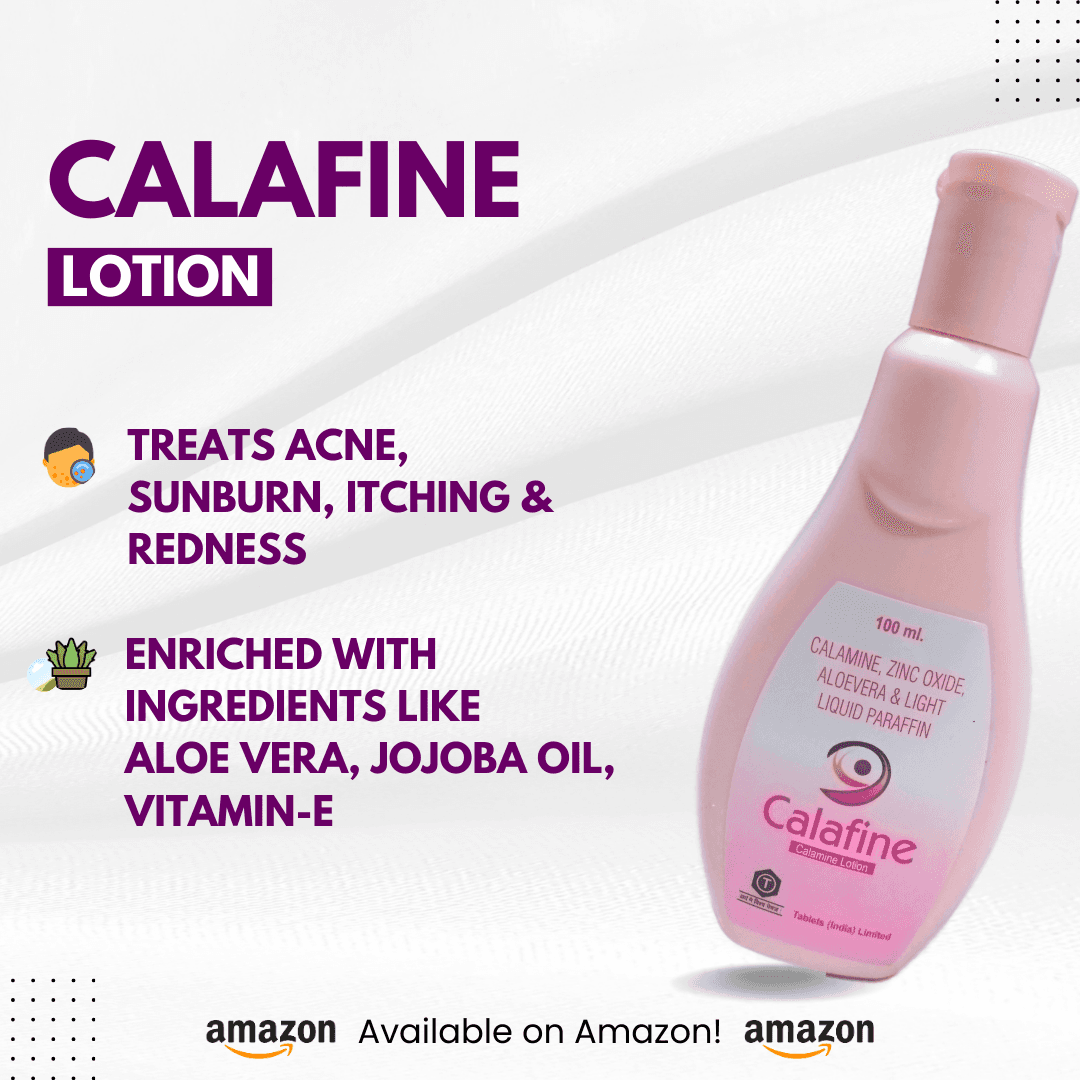
CALAFINE Lotion's pharmaceutical formulation has been developed to optimise these vehicle characteristics — producing a suspension that maintains appropriate particle distribution, applies comfortably on irritated skin, and creates the therapeutic surface film that delivers zinc oxide and ferric oxide's combined benefits effectively across the wide range of conditions for which calamine is indicated.
Skin Problems Calamine Lotion Solves — And Exactly How
Each of these conditions is a daily reality for significant numbers of people across India. Here is the specific mechanism by which calamine addresses each one.
Heat Rash and Prickly Heat
India's brutal summers — particularly in cities like Delhi, Nagpur, and Kolkata — cause sweat ducts to become blocked, producing the intensely itchy, red papules of miliaria (prickly heat). The burning sensation worsens with moisture and friction, creating a miserable feedback loop that interrupts sleep and daily function.
Calamine's zinc oxide base acts as a drying agent that absorbs excess surface moisture while simultaneously cooling the inflamed skin. The lotion's evaporative action creates a physical cooling sensation on application, while the astringent properties tighten the skin surface and reduce the weeping and oozing that prolongs prickly heat outbreaks.
Insect Bites and Allergic Itch
Mosquitoes, bed bugs, ants, and other insects inject proteins and histamine-triggering compounds into the skin during bites. The resulting localised inflammation, swelling, and intense itch is mediated by histamine — and the urge to scratch creates secondary infections that compound the original wound significantly.
Calamine lotion acts as a topical anti-pruritic — it counteracts the itch sensation directly at the skin surface by creating a protective, soothing film over the bite. The zinc oxide component has mild antiseptic properties that reduce the risk of secondary bacterial infection when scratching has already broken the skin barrier.
Sunburn and UV-Induced Inflammation
Sunburn is not merely a surface problem. UV radiation causes DNA damage in skin cells, triggering an inflammatory cascade that produces the redness, heat, swelling, and pain of a burn. In India, where UV indices regularly exceed 11 (extreme) for much of the year, sunburn occurs even on cloudy days and through light clothing.
Applied to sunburned skin, calamine lotion provides immediate cooling relief through evaporative action, while zinc oxide reduces inflammation at the cellular level. The lotion creates a breathable physical barrier that protects the compromised skin surface from further UV exposure and environmental irritants while healing progresses.
Contact Dermatitis and Skin Rashes
Contact dermatitis — the red, itchy, sometimes blistering reaction triggered by exposure to allergens or irritants — affects a significant proportion of the Indian population. Triggers include nickel in jewellery (extremely common in India), certain fabric dyes, latex, cosmetic ingredients, and plant compounds like those in mango sap.
Calamine lotion reduces the histamine-mediated itch and inflammation of contact dermatitis without interfering with the skin's own healing process. Its neutral pH and simple formulation make it one of the safest topical treatments for active dermatitis flares, providing relief while the triggering exposure is eliminated.
Complete Skin Type Suitability Guide
Calamine lotion is not universally ideal for every skin type in every situation. Understanding how it interacts with your specific skin type allows you to use it effectively and avoid the limited situations where it is less appropriate.
Calamine's mattifying and oil-absorbing properties make it ideal for oily skin. It reduces surface shine, minimises the appearance of pores, and creates a dry, comfortable finish without occluding the skin.
The drying action of calamine can exacerbate tightness and flakiness on very dry skin. Use sparingly on dry patches only, always follow with a moisturiser, and avoid full-face application if your skin is significantly dehydrated.
Apply calamine lotion only to the oily zones — typically the T-zone — and avoid the dry cheek and jaw areas. This targeted approach delivers the oil-control benefit without over-drying areas that are already balanced.
Calamine's simple formulation — free from fragrances and complex actives — is among the most tolerated treatments for sensitive, reactive skin. Perform a patch test on the inner arm before full application. CALAFINE's gentle formula is specifically appropriate here.
Zinc oxide's mild antiseptic and anti-inflammatory properties, combined with oil absorption, make calamine one of the oldest and most reliable acne-supportive treatments. It reduces redness and sebum without the irritation of stronger actives like benzoyl peroxide.
Mature skin benefits from calamine's anti-inflammatory and protective properties, particularly for managing age-related sensitivity and rosacea-like redness. Avoid use on very dry or eczema-prone mature skin without a concurrent moisturiser.
CALAFINE Lotion — Complete Feature Breakdown
Pharma-Grade Calamine. Multi-Condition Relief. Gentle for All Ages.
CALAFINE Lotion — the modern, pharmaceutical-grade calamine formulation built for India's skin conditions, climate, and daily reality.
Get CALAFINE Lotion on Amazon — Check Price & Availability →Multi-Action Itch Relief Without Systemic Side Effects
The most immediate and universally recognised use of calamine lotion is the relief of itching — pruritus in clinical terminology — across a wide range of causes. Itching is one of the most disruptive dermatological symptoms a person can experience. Unlike pain, which typically has a clear source and a predictable resolution, itch is often diffuse, relentless, and worsened by the very scratching it compels. The damage caused by chronic scratching — excoriation, secondary infection, post-inflammatory hyperpigmentation — often outlasts the original cause by weeks or months. CALAFINE Lotion addresses itch through a dual mechanism. The zinc oxide component works as a mild astringent, tightening the superficial skin layers and reducing the sensitivity of local nerve endings that transmit itch signals. The iron oxide (which gives calamine its characteristic pink colour) contributes protective and mild astringent properties. Together, these create a surface environment that is less hospitable to the itch-scratch cycle, interrupting it at the skin level rather than systemically.
What distinguishes topical calamine relief from oral antihistamines — the other common itch treatment — is the absence of systemic effects. Oral antihistamines cause drowsiness, dry mouth, and cognitive blunting in many users, and are inappropriate for extended or frequent use in adults who need to remain alert. Calamine lotion provides localised relief with virtually no systemic absorption, making it safe for repeated application throughout the day — including in children and during pregnancy — without the side effect profile of pharmacological alternatives. CALAFINE Lotion preserves this foundational safety while adding formulation improvements that extend comfort beyond basic itch suppression.
Sebum Control, Pore Minimisation, and Acne Support
Acne in India is complicated by climate. The combination of high ambient temperatures, intense humidity during monsoon season, and the SPF-heavy, occlusive sunscreens many people use to manage UV exposure creates conditions of relentless sebum overproduction. Blocked follicles — follicles choked with a mixture of excess sebum, dead skin cells, and environmental particulates — are the primary physical cause of both comedonal (blackhead and whitehead) acne and inflammatory acne lesions. Calamine lotion functions as a safe, non-irritating sebum management tool. Its zinc oxide base has a demonstrated ability to absorb surface oils, reduce the appearance of enlarged pores, and create a matte, non-greasy finish on the skin without the barrier disruption caused by harsh actives. Applied as a targeted spot treatment on active pimples or as a thin layer across the T-zone, it reduces the sebum-rich environment that acne-causing bacteria — particularly Cutibacterium acnes — require to proliferate. The mild antiseptic properties of zinc oxide add a secondary layer of protection against bacterial colonisation of already-compromised follicles.
The advantage of calamine for acne-prone skin over stronger alternatives like benzoyl peroxide (BP) or high-concentration salicylic acid is the tolerance profile. BP causes significant dryness, peeling, and photosensitivity in many users — side effects that often lead to discontinuation and rebound oil production. Salicylic acid at therapeutic concentrations can similarly disrupt the barrier on sensitive or combination skin. Calamine, by contrast, reduces acne-related symptoms — oil, inflammation, surface bacteria — without the aggressive keratolytic action that damages the barrier. For mild-to-moderate acne, or as a complementary treatment alongside prescription actives, CALAFINE Lotion offers a reliable daily option that the skin builds tolerance to without difficulty.
Sunburn Relief and Post-UV Skin Recovery
Sunburn management is one of the most clinically supported uses of calamine lotion, and one of the most practically relevant in the Indian context. India receives some of the highest UV radiation levels globally — UV indices of 10 to 12 (very high to extreme) are the norm across most of the country from March through September, and remain elevated year-round in southern states and coastal cities. Sunburn occurs not just during obvious outdoor exposure but during routine daily activity: commuting, walking between buildings, outdoor markets, and sports. When sunburn occurs, the skin requires a treatment that simultaneously cools the inflamed surface, reduces ongoing inflammation, and protects the compromised barrier from further insult. CALAFINE Lotion addresses all three simultaneously. The lotion's evaporative action — the sensation of cooling as it dries on the skin surface — provides immediate physical relief from the heat and burning sensation of sunburn. The zinc oxide component's anti-inflammatory properties work at the cellular level, reducing prostaglandin-mediated inflammation in the uppermost dermal layers that cause the characteristic redness, swelling, and pain of UV injury.
The barrier protection function is equally important. Sunburned skin has a compromised stratum corneum — the outermost protective layer — making it temporarily more permeable to both irritants and pathogens. Calamine lotion, once applied and dried, forms a thin protective film over this vulnerable surface. This film reduces transepidermal water loss (TEWL) from the damaged barrier, supports the skin's own rehydration process, and physically shields the inflamed surface from dust, pollution, and other environmental aggressors that would otherwise prolong the inflammatory response. Sunburned Indian skin — which is prone to post-inflammatory hyperpigmentation even from mild UV injury, particularly in medium-to-deep skin tones — benefits from this rapid inflammation control because hyperpigmentation intensity directly correlates with inflammation duration and severity.
Chickenpox, Eczema, and Inflammatory Skin Condition Relief
Calamine lotion has been used in the management of chickenpox for generations — it is, in fact, one of the primary reasons most Indians recognise the distinctive pink lotion. In chickenpox, the varicella-zoster virus creates an intensely itchy, fluid-filled rash across the body that, when scratched, breaks open, spreads the virus, and leaves permanent scars through secondary bacterial infection and excoriation. Calamine lotion's role is specifically to manage the itch without occlusion or irritation — keeping the blisters intact, reducing the urge to scratch, and allowing the immune system to manage the viral infection without the compounding damage of mechanical injury. The same principle applies to eczema (atopic dermatitis) flares. Eczema-affected skin is characterised by a compromised skin barrier, chronic inflammation, and intense episodic itch that is disproportionate to visible symptoms — particularly at night, when scratching causes significant damage while the person is too asleep to control it. Calamine lotion applied during flares provides a degree of symptomatic relief that reduces the scratching intensity, protecting the barrier from the excoriation damage that perpetuates the inflammatory cycle. It does not treat the underlying immunological cause of eczema, but its symptomatic relief is genuine and its safety profile makes it compatible with longer-term, repeated use alongside prescribed treatments.
CALAFINE Lotion's formulation is particularly suited to these inflammatory conditions because it maintains the essential simplicity of calamine — avoiding the fragrance, preservative, and emollient ingredients that frequently trigger flares in eczema-prone and sensitive skin — while enhancing the base formula with skin-compatible additions that improve spreadability and contact time on irritated skin. For parents managing chickenpox in children, or adults navigating eczema flares in India's extreme seasonal conditions, CALAFINE provides a trusted, gentle tool with a safety record that spans generations of clinical use.
Step-by-Step Application Guide — Using Calamine Lotion Correctly
The most common reason calamine lotion underperforms is incorrect application. Treating it like a moisturiser — rubbing it in until invisible — removes it from the surface where it works. Follow this protocol precisely.
Cleanse the Affected Area Gently
Wash the skin with a mild, pH-balanced cleanser and lukewarm water — never hot, which worsens inflammation. Pat dry with a clean, soft cloth. Do not rub. The skin should be clean and completely dry before application, as applying lotion over damp skin dilutes the formula and reduces its effectiveness.
Shake the Bottle Thoroughly
Calamine lotion is a suspension — the active zinc and iron oxides settle at the bottom of the bottle between uses. Shake vigorously for 10 to 15 seconds before every application to ensure the formula is uniformly mixed. An unshaken bottle delivers an ineffective, diluted application with the active ingredients remaining at the bottom.
Apply with a Clean Cotton Ball or Fingertip
Pour a small amount onto a clean cotton ball or use clean fingertips to apply directly to the affected area. Use gentle, dabbing motions rather than rubbing — particularly important on broken, sunburned, or rash-affected skin where friction causes pain and additional damage. Apply a thin, even layer across the entire affected area.
Allow to Dry Completely — Do Not Rub In
Unlike a moisturiser, calamine lotion is not meant to be rubbed in until invisible. Allow it to dry naturally on the skin surface — this takes approximately 2 to 3 minutes. The dried lotion film on the skin surface is where the active ingredient contact and protective barrier function occur. Rubbing it in defeats its purpose.
Reapply Up to 3–4 Times Daily as Needed
For acute conditions like insect bites, heat rash, or sunburn, reapply every 4 to 6 hours or as the soothing effect diminishes. For acne spot treatment, apply once at night and allow it to work overnight. For eczema or rash management, apply after each cleanse — typically morning and night during flares.
Follow With Moisturiser on Dry or Sensitive Skin
If your skin is dry or you are using calamine on a large area, apply a fragrance-free, non-comedogenic moisturiser 10 minutes after the calamine has fully dried. This prevents the drying action of the zinc oxide from compromising the skin barrier — particularly important for dry skin types or during winter use in northern India.
Results Timeline — What Calamine Lotion Delivers and When
Calamine works on different timescales for different conditions. Here is an honest, condition-appropriate account of when to expect each type of improvement.
The evaporative cooling sensation begins within seconds of application. Itch intensity reduces noticeably within 5 to 10 minutes for most users. Sunburn heat and discomfort diminish meaningfully after the first application.
Visible redness from sunburn, rashes, or insect bites begins to decrease with consistent application every 4 to 6 hours. The skin surface feels more comfortable, and the urge to scratch diminishes substantially.
Pimples, bites, and rash lesions begin to flatten and dry. The protective film action has prevented secondary infection and scratching damage. Post-inflammatory redness is significantly reduced compared to untreated skin.
For acute conditions (sunburn, bites, prickly heat), the skin should be fully resolved or near-resolved within one to two weeks of consistent use. Acne-prone skin maintained on calamine spot treatment shows sustained reduction in active lesions and surface oiliness.
Complete Buying Guide — Choosing the Right Calamine Lotion in India
Not all calamine lotions on the Indian market deliver equivalent therapeutic value. Here is exactly what to evaluate before you buy.
Common Mistakes People Make When Using Calamine Lotion in India
The most prevalent mistake is applying calamine lotion and then immediately rubbing it in with fingers or a cloth until the pink colour has disappeared. This approach physically removes the active ingredient from the skin surface — the mineral particles are wiped away — and leaves behind primarily the water vehicle, which evaporates and leaves almost nothing therapeutic in contact with the skin. The correct technique is a gentle dabbing application followed by air drying. The visible pink film on the skin is the treatment. Its persistence on the skin surface is the measure of active ingredient contact time.
The second common error is applying calamine without shaking the bottle. Because calamine is a suspension rather than a solution, the zinc oxide and ferric oxide particles settle gravitationally when the bottle is at rest. An unshaken bottle pours a clear-to-pale liquid that is primarily water and glycerin — the active minerals remain at the bottom. The first several applications from an unshaken bottle may be near-ineffective. Every application requires vigorous shaking for 10 to 15 seconds to restore appropriate particle distribution.
The third mistake — particularly common in the treatment of chickenpox — is applying calamine lotion over skin that has not been gently cleansed. Applying over dirt, sweat, or existing product residue reduces direct skin contact of the active ingredients and creates an unsanitary layer that can contribute to the secondary bacterial infections that calamine is partly being used to prevent. Always apply to clean, dry skin.
Pharmaceutical-grade calamine. Made for India's skin and climate.
CALAFINE Lotion — trusted formulation, appropriate concentration, correct vehicle. Available on Amazon with fast delivery across India.
Shop CALAFINE Lotion on Amazon →Who Needs Calamine Lotion Most
Outdoor Workers and Commuters
Daily sun exposure during long commutes in Indian cities creates cumulative UV damage, sunburn, and heat rash that calamine addresses directly and safely.
Mosquito-Prone Households
In tropical Indian cities where mosquitoes are a year-round reality, calamine lotion is an essential household tool for managing bite-related itch and preventing secondary infection from scratching.
Parents of Young Children
Children's skin is more reactive, more prone to heat rash and chickenpox, and requires the gentlest possible treatments. Calamine's established paediatric safety record makes it the first-choice topical for children's skin irritations.
Prickly Heat and Sweat Rash Sufferers
Anyone living through Indian summers in non-air-conditioned environments — which is the majority of the population — deals with miliaria regularly. Calamine is the most effective, accessible treatment available.
Eczema and Sensitive Skin Patients
The simplicity and gentleness of calamine makes it one of the few topical treatments that eczema patients can use during flares without risking additional sensitisation or barrier disruption.
Athletes and Active Individuals
Sweat-induced chafing, fungal rash in skin folds, and heat-related skin irritation from exercise are all conditions calamine addresses — making it useful for anyone with an active lifestyle in India's climate.
Travellers Across India's Climate Zones
Moving between India's diverse climate zones — humid coastal areas, dry deserts, cold mountains — creates skin stress and reactivity. Calamine's versatility across conditions makes it a practical travel essential.
Post-Procedure Skin Recovery
After minor cosmetic procedures, waxing, threading, or facial treatments, calamine provides gentle, non-interfering soothing for the resulting temporary redness and sensitivity.
Calamine Lotion Myths vs. Truth — What Indian Consumers Get Wrong
Calamine lotion is only for chickenpox — it has no other uses
Chickenpox is the most culturally prominent use of calamine in India, but it represents only a fraction of the conditions calamine effectively treats. It is equally appropriate — and clinically supported — for heat rash, insect bites, sunburn, contact dermatitis, eczema flares, acne, and general skin irritation. The chickenpox association is cultural, not clinical.
You should rub calamine lotion into the skin until it disappears
Calamine lotion works by forming a film on the skin surface, not by being absorbed. Rubbing it in until it becomes invisible removes it from the surface where it provides its anti-itch, protective, and soothing functions. Apply in thin layers and allow to air dry — the visible pink residue on the skin indicates active ingredient contact.
Calamine lotion is only for children — adults do not need it
Calamine lotion is effective across all age groups, from infants to elderly adults. Adults dealing with occupational skin exposures, allergic reactions, eczema, acne, sunburn, and insect bites benefit from calamine just as significantly as children do. Its safety profile — minimal systemic absorption, no drug interactions, suitable during pregnancy — makes it arguably more useful for adults who may have contraindications to systemic treatments.
More calamine lotion applied means faster or better results
Calamine works through surface contact, not concentration above the minimum effective dose. Applying thick layers does not amplify the therapeutic effect — it simply creates a heavier residue, potentially blocks air circulation to the skin, and wastes product. A thin, even application that fully covers the affected area is clinically equivalent to a thick one in terms of active ingredient delivery.
Calamine lotion treats the infection in chickenpox or bites
Calamine does not have antiviral or significant antibacterial activity at the concentrations used in lotion form. Its role in chickenpox and infected bites is symptomatic — it reduces the itch that leads to scratching, which is the mechanism by which infection spreads and scarring occurs. The viral infection itself is managed by the immune system. Calamine's value is in protecting the skin from the damage that itch-driven scratching causes, not in eliminating the pathogen.
Calamine lotion dries out the skin permanently
The drying action of calamine is immediate, surface-level, and temporary. It does not alter the skin's sebaceous gland function or permanently reduce hydration capacity. After washing off calamine residue, the skin returns to its baseline hydration level. For dry skin types, the temporary drying effect is manageable with a follow-up moisturiser — it is not a reason to avoid calamine when it is genuinely needed for a skin condition.
Frequently Asked Questions About Calamine Lotion
Can I use calamine lotion on my face every day?
Daily use on the full face is appropriate for oily and acne-prone skin types, where calamine's oil-absorbing and mild antiseptic properties are consistently beneficial. For dry or combination skin, daily full-face application is not recommended — instead, target only the oily or affected zones. Sensitive skin can use calamine daily during flares, but should switch to alternate-day use once the acute condition resolves, following with a gentle moisturiser to maintain barrier integrity.
Is calamine lotion safe during pregnancy?
Calamine lotion is generally considered safe for use during pregnancy. Its active ingredients — zinc oxide and ferric oxide — have minimal systemic absorption when applied topically, and there is no established evidence of foetal harm from topical calamine use. It is widely recommended by obstetricians for pregnancy-related itching, including pruritic urticarial papules and plaques of pregnancy (PUPPP). As with any product used during pregnancy, consult your gynaecologist before beginning use, particularly for large-area or long-term application.
How long does calamine lotion take to work on pimples?
As an overnight spot treatment on active pimples, calamine typically reduces redness and swelling noticeably within 8 to 12 hours — visible improvement is often apparent the following morning. For sustained acne management, consistent nightly application over two to three weeks produces meaningful reductions in breakout frequency and sebum levels. Calamine does not work as rapidly as benzoyl peroxide on individual pimples, but it produces comparable results with significantly less irritation.
Can calamine lotion be used on open wounds or broken skin?
Calamine lotion is safe to apply on skin where minor scratching or excoriation has broken the surface — such as scratched insect bites or mild chickenpox blisters that have opened. However, it should not be applied to deep wounds, surgical incisions, or significantly broken skin covering large areas. For these more serious skin breaks, wound-appropriate treatments and medical attention are more appropriate. The mild antiseptic properties of zinc oxide provide some protection against secondary infection on superficially broken skin.
Does calamine lotion expire and is it still effective past the date?
Yes, calamine lotion has an expiry date — typically two to three years from the manufacturing date. Past this date, the suspension stability, preservative efficacy, and active ingredient concentration can no longer be guaranteed by the manufacturer. Using expired calamine on healthy skin for minor issues is unlikely to cause harm, but it may be less effective. For use on compromised or sensitised skin — eczema, rashes, chickenpox — always use within the stated shelf life.
Can calamine lotion be used for fungal rashes or ringworm?
Calamine lotion has no antifungal activity and will not treat a fungal infection like tinea (ringworm) or tinea versicolor. It can, however, soothe the itch and surface irritation associated with a fungal rash while a proper antifungal treatment (clotrimazole, terbinafine, or prescription medication) addresses the underlying infection. Using calamine alone on a fungal rash without antifungal treatment will not resolve the infection and may mask diagnostic symptoms, potentially delaying appropriate treatment.
Is calamine lotion safe for babies and newborns?
Calamine lotion is commonly used for infants and young children for conditions including chickenpox, nappy rash, insect bites, and heat rash. However, for newborns (under four weeks of age), any topical product should be used only under paediatric guidance, as newborn skin has a significantly more permeable barrier and different absorption characteristics than older infant or adult skin. For older infants and children, calamine is among the safest topical treatments available and is routinely recommended by paediatricians in India.
Why does calamine lotion feel cool when applied?
The cooling sensation of calamine lotion comes from evaporative cooling — the same principle as sweat cooling the body. The water-based lotion evaporates from the skin surface, drawing heat energy away from the skin in the process. This is a physical cooling effect, not a pharmacological one. The sensation is most pronounced immediately after application and reduces as the lotion dries. This evaporative cooling is a significant part of why calamine is effective for sunburn and heat rash relief.
Can I mix calamine lotion with my moisturiser or other skincare?
Mixing calamine lotion directly with other products is not recommended. The suspension formulation of calamine is carefully balanced — mixing it with a moisturiser, serum, or other product changes the particle suspension, potentially reducing efficacy and altering the skin contact of the active ingredients. Instead, apply calamine to clean skin first, allow it to dry completely, and then layer other products on top if needed. This maintains the integrity of both formulations.
Does calamine lotion leave a white or pink residue?
Yes — calamine's characteristic pink colour comes from ferric oxide, and the dried lotion does leave a visible tinted residue on the skin. On light skin tones this appears as a pale pink cast; on deeper Indian skin tones it is often less visible. This residue is the active ingredient in contact with the skin surface and should not be rubbed off prematurely. For overnight use, the residue is washed off in the morning. For daytime use on visible areas, CALAFINE's formulation minimises but does not eliminate this natural characteristic of calamine.
The Skin Treatment India Has Trusted for Generations — Now Better
Calamine lotion's century-long track record is not an accident. It addresses the most common, most persistent skin conditions in the Indian context — heat rash, insect bites, sunburn, contact dermatitis, acne, eczema — safely, effectively, and across every age group. CALAFINE Lotion is the pharmaceutical-grade formulation that preserves this trusted core while meeting modern standards of manufacturing quality and formulation precision. Keep it in your medicine cabinet, your travel kit, and — especially — your refrigerator during India's summers.
Buy CALAFINE Lotion on Amazon →All Skin Types · Safe for Children · Pharma-Grade Formula · Free Delivery Available